Browse building renovations
Browse building renovations
Blog Article
Creative Architect Designs: Reimagining Spaces With Vision
Innovative architectural designs are transforming urban landscapes with a focus on functionality and sustainability. Architects are incorporating smart technologies and eco-friendly materials to create adaptable spaces. These designs prioritize community engagement, encouraging social interaction through communal spaces and regional cultural features. This development raises questions about the upcoming nature of city life and the function of design in improving individual quality of life. What consequences do these innovations have for the broader community?
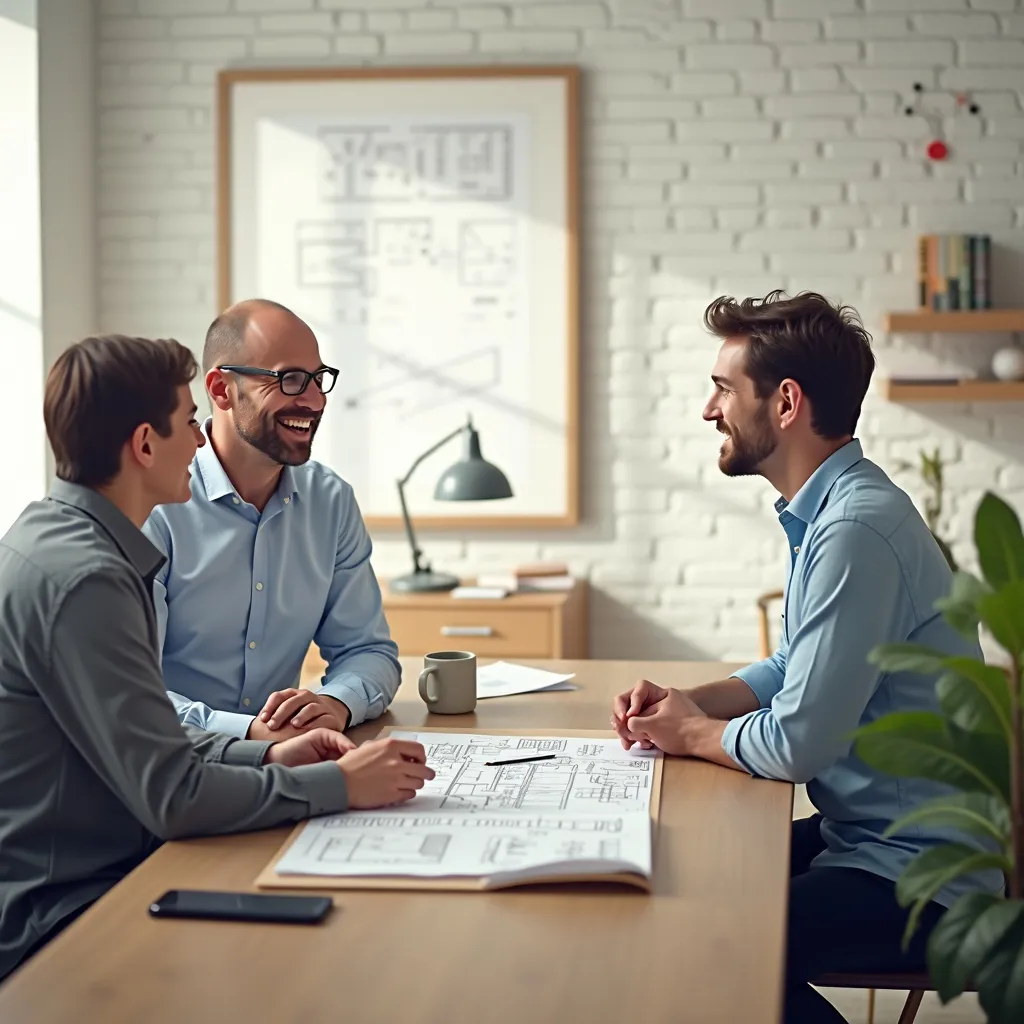
Design Specialists Contributing to Modern Design Innovation
Architects influence the built environment, converting abstract ideas into tangible structures that reflect contemporary needs and values. Their role extends beyond mere aesthetics; they integrate functionality, safety, and sustainability into their designs. By examining societal trends and technological advancements, architects create spaces that promote social interaction and enhance user experience. They work with engineers, urban planners, and clients, ensuring that each project meets specific requirements while following regulatory standards.
Modern architectural practice requires architects to weigh imaginative thinking with practicality, frequently exploring innovative forms and materials that break new ground. Their endeavors comprehensive guide addresses diverse challenges, from population concentration to ecological considerations, through developing responsive environments that respond to contemporary living standards. Operating as representatives for both clients and the environment, architects are critical in influencing the direction of urban landscapes, confirming that structures not only serve immediate purposes but also endure as valuable holdings for generations to come.
Sustainable Materials in Structural Design
Sustainable materials hold an critical position in current structural design, molding both appearance and practicality. By infusing green options and utilizing salvaged substances, architects can dramatically curb ecological damage. Cutting-edge environmental strategies likewise enhance these undertakings, creating pathways for a more conscientious building practice.
Sustainable Material Selections
While traditional building materials often contribute to environmental degradation, forward-thinking designers increasingly favor sustainable alternatives that minimize environmental footprint. These substances, such as bamboo, reclaimed wood, and recycled metals, not only lower greenhouse gas emissions but also improve building efficiency. Architects are investigating bioplastics and rammed earth, which provide durability alongside sustainability. Natural insulation materials, like sheep's wool and hemp, further boost energy conservation. Such decisions also demonstrate a dedication to sustainable resource management, reducing the demand for virgin materials. By incorporating local materials, architects support regional economies and reduce transportation emissions. This shift towards eco-friendly material choices signifies a broader movement within the architectural community, stressing the significance of design that harmonizes with the environment.
Perks of Reused Items
The use of sustainable materials in construction design presents major benefits that align with environmental standards. By incorporating materials such as reclaimed wood, recycled metal, and repurposed glass, architects can minimize waste and reduce the demand for virgin resources. This strategy not only protects natural materials but also minimizes energy consumption involved in manufacturing new products.
In addition, integrating recycled resources can amplify the aesthetic character of structures, providing unique textures and histories that new materials are unable to replicate. Economically, these materials often come at a reduced price, making possible cost-effective construction without reducing quality. All things considered, the integration of recycled resources nurtures environmental responsibility while encouraging innovative design solutions that appeal to sustainable living ideals.
Innovative Sustainability Methods
With builders placing greater focus on eco-consciousness, innovative sustainability practices have arisen, showing materials that both cut down on ecological footprints and enhance creative possibilities. Natural composites, recycled timber, and bamboo are pioneering, offering design attractiveness while curbing material loss. These materials can be used in a variety of uses, from structural parts to finishes, enabling unique design styles. Furthermore, the application of green insulation and low-VOC paints supports improved air quality inside. Recycling metal and glass further proves how sustainability can merge with modern design, enabling for eye-catching details without sacrificing environmental accountability. Together, these approaches not only change construction techniques but also set a new standard for upcoming advancements in architectural sustainability.
Advanced Systems in Routine Areas
Smart technology is continuously establishing itself as a essential element in everyday spaces, furnishing users with heightened convenience and control. Via integrated coordination of devices, these systems accelerate daily tasks and substantially promote power optimization. This evolution in design emphasizes a considerable focus on functionality and sustainability in modern architecture.
Frictionless Synchronization of Devices
Enhancing everyday spaces, forward-thinking designers are increasingly incorporating intelligent systems to create fluid connections of devices. These layouts focus on interconnectivity, allowing home systems to interact effortlessly. For instance, lighting, heating, and security devices can be managed through a single interface, enhancing user convenience. Architects prioritize user-friendly arrangements, ensuring that technology complements the aesthetic of the space rather than dominating it. AI-powered devices and intelligent equipment are carefully positioned to improve functionality while maintaining a cohesive design. This combination not only improves usability but also revolutionizes the way individuals interact with their environments. As a result, spaces become more adaptive, catering to the evolving requirements of modern living while fostering an atmosphere of ease and optimization.
Advancing Power Effectiveness
Incorporating advanced technology into daily environments revolutionizes energy efficiency. Smart systems, such as smart climate controls and automated lighting, actively monitor and adjust energy usage, greatly lowering waste. These innovations allow architects to construct facilities that adjust automatically to occupant needs, ensuring ideal comfort while limiting energy consumption.
Adopting sustainable power sources, such as solar panels, optimizes sustainability. Smart grids enable real-time energy management, empowering homeowners to track consumption patterns and adapt their practices. Additionally, low-consumption devices and eco-materials play a role in reduced environmental impact.
As professionals implement these systems, they build venues that not only address core needs but also support ecological responsibility. The result is a seamless blend of visual design and effectiveness, transforming how inhabitants navigate their environments.
Why Biophilic Design Makes a Difference for Our Environments?
Although many may overlook the significance of organic components in architecture, biophilic design is essential in improving human health within constructed spaces. This approach integrates nature into building interiors, creating a sense of link to the outdoors. By including elements such as natural light, plants, and organic materials, biophilic design supports psychological well-being and reduces stress. Studies shows that access to nature can enhance focus, innovation, and general productivity.
Furthermore, biophilic design encourages a more eco-friendly method to architecture, as it stresses harmony between built spaces and natural ecosystems. This design philosophy not only enhances aesthetic appeal but also supports ecological balance by utilizing sustainable materials and energy-efficient practices. Ultimately, prioritizing biophilic design converts environments into healthier, more inviting spaces, benefiting occupants and the planet alike. As urbanization continues to grow, the relevance of biophilic principles in architecture becomes increasingly significant.
Case Examples of Innovative Building Designs
As urban landscapes evolve, innovative architectural designs emerge, showcasing the potential of creativity and sustainability. One remarkable case study is the Bosco Verticale in Milan, Italy, which incorporates two residential towers blanketed in over 9,000 trees and 20,000 plants. This forest-covered tower not only enhances biodiversity but also boosts air cleanliness and minimizes energy use.
A further instance is the Cactus Tower in Copenhagen, designed to look like a cactus with its extending balconies that facilitate communal interaction. This design promotes social connectivity while delivering unique living spaces.
In Singapore, the Jewel Changi Airport presents a breathtaking indoor waterfall and green surroundings, combining nature with innovation. This versatile area improves passenger experience and works as a leisure destination for the public.
These case studies exemplify how forward-thinking design approaches can harmonize functionality with sustainability consciousness, reshaping urban spaces into lively, eco-friendly communities.
How Community-Centered Design Strengthens Urban Living?
Community-focused planning substantially improves urban living by promoting social interaction and inclusivity. This approach prioritizes the needs of communities, encouraging the creation of shared spaces such as parks, plazas, and community centers. These environments serve as essential hubs where residents can gather, collaborate, and engage in recreational activities, thereby strengthening social bonds.
In addition, community-driven concepts often include local cultural elements, capturing the identity and values of the area. This builds a sense of belonging while also fostering pride among residents. Features including easy-to-walk streets and integrated-use spaces enhance interaction, rendering urban areas more user-friendly and reachable.
Moreover, this design philosophy frequently addresses sustainability and affordability concerns, ensuring that various communities can thrive in city environments. By integrating these elements, community-focused architecture contributes significantly to creating vibrant, resilient urban environments that enhance the quality of life for all residents.
Tomorrow's Evolution in Construction Design
Growing developments in building design are increasingly influenced by technological advancements and ecological concerns. The integration of connected systems is revolutionizing architectural planning, facilitating improved energy efficiency and better user experiences. Architects are now leveraging machine learning and AI to refine layouts, predict environmental impacts, and streamline construction processes.
Sustainability remains a central priority, with architects emphasizing eco-friendly materials and clean energy options. Biophilic design is gaining traction, as professionals incorporate natural elements to promote wellness and connectivity to nature. Additionally, prefabricated and modular building techniques are on the rise, promoting quicker construction timelines and economic efficiency.
Additionally, adaptive reuse is establishing itself as a favored approach, repurposing old structures into operational areas while safeguarding cultural heritage. As cities progress, architects are championing inclusive designs that address the needs of diverse populations, ensuring that urban environments are accessible and inviting for all. These trends demonstrate a future where architecture combines technology, sustainability, and community.
Common Questions Asked Frequently
How Do Architects Harmonize Innovation and Functionality in Their Designs?
Architects combine creative thinking and functionality by melding aesthetic vision with practical requirements. They review user needs, environmental factors, and structural integrity, assuring designs are both visually attractive and usable, building harmony between form and purpose.
What Common Issues Do Innovative Architects Deal With In Today's World?
Creative designers frequently encounter challenges including financial restrictions, legal adherence, green material sourcing, and client expectations. Managing creative direction alongside practical requirements and sustainability concerns increasingly complicates their creative processes in the modern dynamic architectural landscape.
How Might Customers Most Effectively Communicate Their Objectives to Architects?
Clients can successfully convey their vision to architects by offering distinct goals, visual references, and comprehensive details. Engaging in transparent communication ensures agreement, creating a teamwork setting that improves understanding and streamlines the design process.
What Impact Does Cultural Context Wield on Architectural Design?
Cultural context substantially impacts architectural design by determining aesthetics, functionality, and symbolism. It informs materials, techniques, and spatial organization, making certain that structures harmonize with local traditions, values, and environmental conditions, ultimately enhancing community identity and relevance.
How do architects keep current with architectural styles and tools?
Architects maintain awareness with design trends and technologies through perpetual professional development, attending workshops, networking at industry events, subscribing to professional journals, and exploring web-based resources that highlight forward-thinking solutions and novel approaches in architecture.
Report this page