What to Look for in a St. Louis Architecture Firm for Professional Architectural Services
What to Look for in a St. Louis Architecture Firm for Professional Architectural Services
Blog Article
Leading Design Company: Building Revolutionary Spaces for Modern Living
Major design firms are transforming the idea of contemporary life through innovative designs. They concentrate on combining functionality with environmental responsibility, responding to city problems and changing ways of living. These companies utilize intelligent systems and sustainable materials to develop adaptable spaces. As they emphasize social engagement and durability, the impact of their work extends past aesthetics. What are the specific patterns and methods that define their approach? The answers may surprise many.
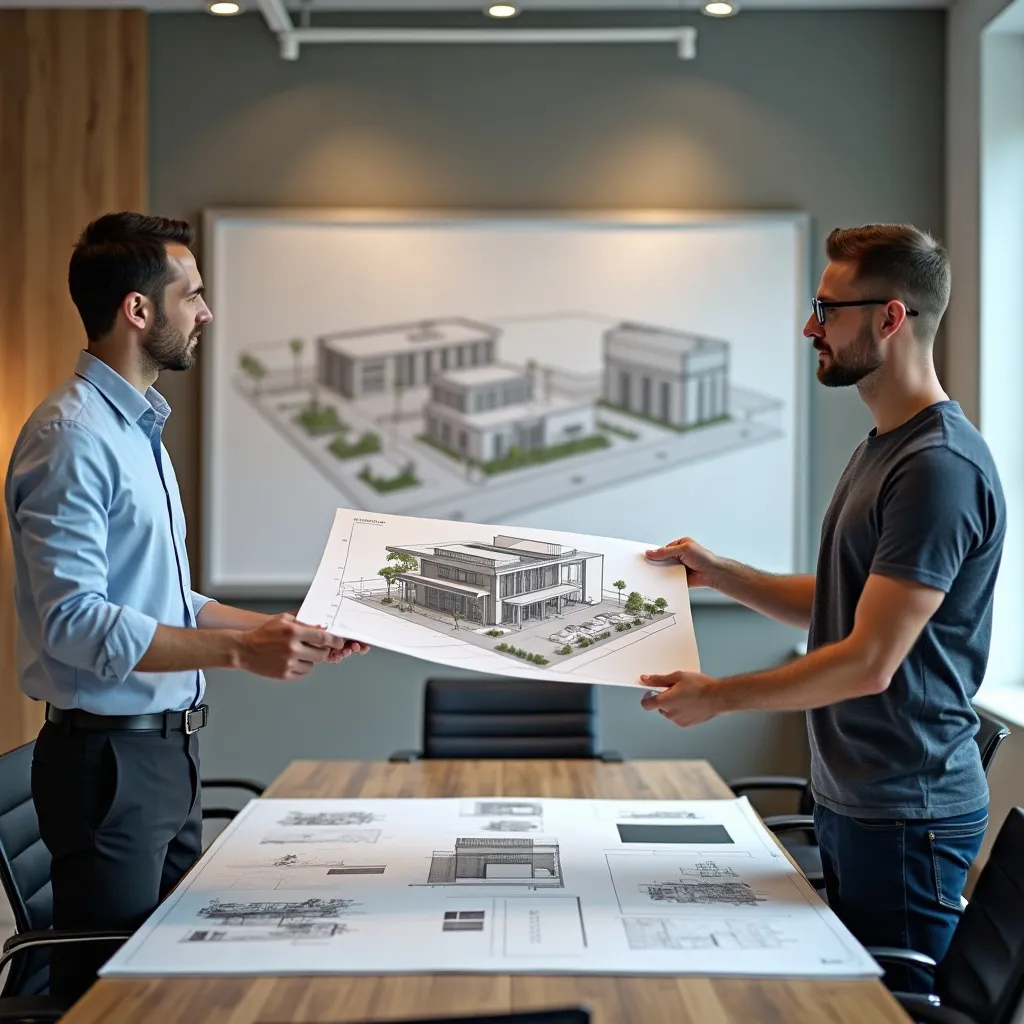
The Function of Architectural Companies in Contemporary Life
With urbanization rapidly progressing, architecture firms serve as a key force in forming modern living environments. These firms are not simply designers; they are thought leaders who combine functionality, sustainability, and aesthetics into their projects. By partnering with urban planners and communities, they create spaces that embody contemporary lifestyles while fulfilling the needs of diverse populations.
Design firms incorporate state-of-the-art materials and solutions to improve energy efficiency and lessen environmental impact, aligning with global sustainability goals. They value user experience, designing spaces that promote social interaction and quality of life.
Additionally, these enterprises are proficient at traversing regulatory frameworks, ensuring designs observe local codes while advancing creative boundaries. essential resource Their influence extends beyond individual buildings, influencing cityscapes and strengthening overall quality of life. Through deliberate design, architecture firms not only respond to current demands but also forecast future trends, making them indispensable players in the progression of urban living.
Key Obstacles in Modern Architectural Design
Modern building design encounters substantial obstacles, mainly in environmental stewardship and environmental impact. The incorporation of cutting-edge technology further complicates the design workflow, requiring flexibility to rapidly changing materials and methods. Tackling these issues is crucial for creating spaces that meet modern requirements while staying environmentally responsible.
Green Sustainability and Environmental Impact
Sustainability and environmental impact have become critical concerns in contemporary architectural design, driven by the urgent need to tackle climate change and resource depletion. Architects face the requirement to minimize carbon footprints while maximizing energy efficiency in their projects. This involves employing sustainable materials, optimizing water usage, and integrating green spaces within urban environments. The challenge lies in reconciling aesthetic aspirations with ecological responsibility, often requiring innovative solutions that rethink traditional building practices. Additionally, regulatory frameworks and client expectations can complicate the pursuit of sustainable design. As architects aim for harmony between human habitation and natural ecosystems, the integration of sustainable practices becomes essential for creating resilient, adaptable spaces that meet the needs of future generations.
Technological Blending and Adaptability
While the swift progress of technology presents promising opportunities for architectural design, it also introduces considerable obstacles in ensuring adaptability within built environments. Architects must manage the complexities of integrating smart technologies, such as IoT systems and sustainable technologies, while ensuring structures remain flexible to future changes. This demands a thoughtful approach to design that harmonizes aesthetics with functional longevity. Additionally, the fast pace of technological innovation can lead to obsolescence, prompting architects to reflect on interchangeable elements that can be easily updated or replaced. Collaboration with engineers and technology experts is crucial to create spaces that not only satisfy current needs but also anticipate future demands. Ultimately, the ability to adapt is vital for sustainable and innovative architectural solutions.
Premier Architecture Firms and Their Contemporary Design Trends
As architectural firms advance, top firms are redefining the limits of design with innovative approaches that blend functionality and aesthetics. One prominent trend seen in top architecture firms is the focus on open floor plans, fostering connection and adaptability in contemporary homes. Additionally, the integration of nature-inspired design features, which incorporate organic elements and plants, improves the overall wellness of occupants.
A prominent trend involves the use of modular building approaches, allowing rapid assembly and flexibility in application to different contexts. Architects are progressively focusing on client-oriented methodologies, customizing spaces to meet the unique requirements of societies and persons.
Furthermore, the integration of smart technology is revolutionizing traditional architectural practices, enabling enhanced user interaction and energy efficiency. Through these innovative design trends, top architecture firms are creating the future of living spaces, designing environments that are not only visually appealing but also highly functional.
Innovative Eco-Friendly Practices in Building Design
Within the sector of building design, forward-thinking eco-conscious techniques are becoming increasingly important. Architects are now emphasizing green building materials, putting into practice energy-efficient design strategies, and incorporating waste prevention methods. These strategies not only boost the environmental performance of buildings but also encourage enduring environmental stewardship in the industry.
Green Construction Materials
An increasing number of architects are incorporating green building materials as fundamental elements of sustainable design. Often derived from eco-friendly resources, these materials minimize environmental impact while enhancing aesthetic appeal. Innovations like bamboo, reclaimed wood, and recycled metals are increasingly chosen for their lasting quality and low carbon footprint. Furthermore, manufacturers are producing environmentally friendly alternatives to traditional materials, such as low-VOC paints and non-toxic insulation choices. Integrating these materials encourages environmental stewardship and also promotes healthier living environments by lowering harmful emissions. Architects are increasingly understanding that mindful selection of green building materials can result in a more responsible construction approach, ultimately supporting both occupants and the planet.
Energy-Saving Design Methods
The selection of eco-friendly building materials paves the way for implementing energy-saving design strategies in architecture. Designers are increasingly integrating passive solar techniques, which enhances daylight and minimizes energy consumption. Orientation of structures is carefully considered to enhance sunlight exposure while decreasing heat loss. Furthermore, advanced insulation and energy-efficient windows are utilized to improve thermal comfort and decrease reliance on heating and cooling systems. Incorporating clean energy sources, such as solar panels, further supports sustainability goals. Additionally, intelligent building systems allow continuous energy tracking, ensuring optimal resource use. These approaches together result in lower energy use and a reduced carbon footprint, demonstrating a commitment to eco-conscious living in contemporary architecture.
Waste Cutting Practices
Implementing waste minimization methods is vital for fostering environmental sustainability in architecture. Leading firms are progressively adopting practices that minimize material waste throughout the design and construction processes. Techniques such as modular design allow for prefabrication, cutting down on excess materials and streamlining construction timelines. In addition, architects are prioritizing the use of recycled or reclaimed materials, thereby lowering the demand for new resources. Waste audits during construction help identify areas for improvement, allowing firms to track and reduce their waste output effectively. Moreover, integrating design for disassembly principles ensures that buildings can be easily repurposed or recycled at the end of their lifecycle. These innovative approaches not only contribute to environmental sustainability but also enhance the overall efficiency of architectural projects.
Evolving Design Practice With Modern Systems
The field of architecture is being revolutionized by technology, which introduces cutting-edge instruments and approaches that reshape design procedures and results. Advanced software enables architects to see ideas in three dimensions, enabling more effective communication with clients and stakeholders. Building Information Modeling (BIM) enhances teamwork, permitting various disciplines to work together smoothly throughout a project's lifecycle.
Moreover, cutting-edge technologies such as virtual and AR offer immersive interactions, assisting clients to interact with designs before construction commences. Automation in construction improves efficiency, lowering time and costs while improving precision.
Green technologies such as energy-efficient materials and smart home systems merge smoothly into contemporary designs, encouraging environmentally aware methods. As architects increasingly implement these technological breakthroughs, the field experiences a paradigm transformation, generating innovative approaches that address contemporary challenges. Ultimately, technology not only strengthens design possibilities but also changes how spaces are imagined, developed, and perceived.
Impact of Visual Developments on Daily Routines
As technology reshapes architectural practices, emerging styles increasingly influence daily living experiences. Contemporary approaches prioritize open floor plans and multifunctional spaces, promoting flexibility and adaptability in urban environments. This shift allows residents to maximize their living areas, fostering a sense of community and engagement.
Sustainable materials and energy-efficient designs are also taking center stage, showcasing a accelerating societal orientation toward environmental responsibility. These trends not only heighten aesthetic appeal but also enable healthier living conditions through superior air quality and natural light exposure.
Additionally, connected home device systems is changing how individuals experience their spaces, delivering convenience and efficiency. By adapting to the evolving needs of modern lifestyles, built environments embodies broader social transformations and boosts personal wellness. Ultimately, the impact of design trends on daily living is profound, shaping how folks engage with their environments and each other in meaningful ways.
Finding the Best Architecture Firm that Fits Your Specifications
In what way can one approach the selection of the right architecture firm? This decision requires various essential factors. First, prospective parties must assess the firm's portfolio to ensure its aesthetic philosophy aligns with their vision. Next, appraising the firm's experience in specific project types, such as residential, commercial, or sustainable design, can present perspective into their skill.
Client feedback and endorsements offer valuable perspectives on the firm's dependability and team-oriented methodology. Additionally, assessing the firm's approach to project management and communication is essential; strong communication can significantly impact the project's outcomes.
Price considerations are similarly critical; clients should address fee structures early on to avert misunderstandings in the future. Additionally, personal rapport with the architects can enhance effective collaboration throughout the design process. By thoughtfully weighing these factors, clients can make informed decisions, ultimately establishing a rewarding partnership that fulfills their architectural requirements.
Regularly Requested Questions
How Can Architecture Firms Attain Client Satisfaction Throughout Projects?
Design firms guarantee client contentment by sustaining open communication, incorporating feedback, setting realistic timelines, issuing periodic updates, and creating exceptional designs that reflect client visions, ultimately strengthening partnerships and synergy throughout the project lifecycle.
What Qualifications Should I Look for in an Design Expert?
When choosing an architect, one should evaluate their credentials, experience, collection of work, capacity for dialogue, and ability to understand client preferences. Also, familiarity with local regulations and environmentally responsible methods can improve project deliverables and client fulfillment.
What Is the Average Cost of Architectural Services?
Architectural solutions usually cost from $100 to $250 per hour, determined by the firm's credibility and project complexity. Fixed fees for defined projects may also be obtainable, often reaching 5% to 15% of construction costs.
Is it Feasible to Work With the Architect Directly on My Project?
Yes, active collaboration with the architect is often possible. Many firms support client input to confirm projects reflect personal visions, fostering exchange and alignment throughout the design process for superior results and satisfaction.
What Defines the Expected Timeline for an Structural Design Venture?
The typical timeframe for an building project fluctuates, commonly ranging from multiple months to a several years. Variables influencing this length encompass complexity of the project, regulatory permits, and client responses, which all shape the general plan.
Report this page